Blog

  • Coffee with Joshua

    This morning I had coffee with Joshua. He had messaged me yesterday and suggested that it was time for a chat to catch up with the many things happening in the world.

    I got to know Joshua in 2014. I needed to invite a VIP to be the guest of honour for my firm’s event and I was told to liase with Joshua if I wanted this to happen. Until then I didn’t know who Joshua was. We spoke and texted each other for weeks in relation to the invite. The VIP did come for the event and I became friends with Joshua.

    At first glance Joshua appears forbidding. After knowing him, he has always been helpful and obliging whenever I have asked him anything.

    Over the years he has introduced me to several Indian organisations such as SICCI, Sinda and to many people and community groups. He has been very much involved in community work for a long time. During Covid, he did a lot of work for the migrant workers. I once did a food distribution to migrant workers, who were then locked up in the dorms, in Taman Jurong. He arranged this.

    His community and grassroots work spans some 25 years. Some of his contemporaries who started doing the same work have gone on to become MPs or political appointment holders. I have always wondered why he never got picked. He has so much dedication in his work for the community.

    He has excellent connections in India and one of my temple visits in India was arranged by him.

    There are people in your life you are glad you met. Joshua is one of them.

    Our chat this morning was on the electoral boundaries report and who are the likely people either standing up or stepping off this coming elections.

  • Malaysia vs Singapore

    I am pondering this as I sit here in the airport lounge en route to Singapore.

    When I was studying in the University in the early 1980s all the Malaysian students I knew wanted to be in Singapore to live and work here. The smaller cities and towns then were backward. Even KL, they said, was too laid back, withno shops, restaurants or decent infrastructure. Anyone wanting to go shopping then would come to Singapore. Singapore was clearly seen as a more desirable place than Malaysia back then.

    But now they have all the shops and brands Singapore has and many more. More shopping centers, most of which are bigger than ours and more diverse; a much greater variety of food outlets; good infrastructure; nice hotels; good foreign universities; good private housing; medical centers and a good road network. The buildings and towers in KL are impressive. Things in Malaysia are not just as good as in Singapore but cheaper. Further the service standards are as good as and in many cases even better than Singapore.

    And because it’s a huge country, there are so many different options when one is bored with the city life. You can drive up to the highlands like Genting or Cameron to enjoy cooler weather, go jungle trekking or even take a trip to the East Coast to soak in a very different atmosphere.

    So what will eventually hold them back?

    Some are wary about the underlying racial and religious tensions in Malaysia and the uncertain political situation. People worry about what will happen after Anwar. That is an important consideration. If the PAS or any Muslim party were to form a government in Malaysia, the situation may  change and things may not be how things they are now.

    But I do wonder if any new government can afford to shut off the revenue they collect from the present economic activities including tourism, which apart from providing tax revenues is also providing jobs for the people, and go back to the 1970s and 1980s? Would people support this? Where would the people, including Malays, find employment if the shops and restaurants started shutting down and the foreign companies move out?

    Even conservative Middle East Muslim countries like Saudi and Qatar which were once a lot stricter in applying Islamic rules in their countries are now embracing greater openness and becoming welcoming of foreigners by hosting world class events. Tourism is encouraged. I was surprised to see alcohol consumed quite openly in Qatar during the 2022 World Cup. The foreigners didn’t need to follow Islamic dress codes and women were not wearing any head scarves. Saudi now has a large investment from China and other parts of the world. Many Chinese are living there undertaking business activities and as a result many Chinese restaurants have opened up.

    These countries are realizing that growing the economic pie by promoting foreign investment and finding employment for their people is as important as applying religious codes strictly within their countries.

    Can Malaysia conservatives think differently?

  • Remembering Ivor Thevathasan

    I received a WhatsApp group chat message this morning that Ivor had passed on. He was 84.

    I knew Ivor when I became a member of the ACS OBA MC in 1992. He had already been in the committee for some time.

    He was a medical doctor and his father and grandfather were both illustrious ACS boys. His wife was an ACS teacher.

    We were always friendly to each other and chatted whenever we met. Sometimes we spoke over the telephone. I also remember him as a vintage car enthusiast.

    I last saw him in January this year. I received a call from a friend who informed me that his wife had called my friend to inform her that Ivor had been scammed of a large sum of money. She asked if I could see them to find out what happened and if anything could be done to help.

    So I visited Ivor and his wife at his home. He was in a wheelchair but he was lucid and he struck me as strong physically and mentally. I didn’t think he was having any serious medical issues.

    I spent about an hour with them. Unfortunately he had been careless and some scammers had taken advantage of him and he lost a large sum of money from his bank account. He said the family might need to sell their house to cover the loss. His wife was quiet throughout and he did all the talking. I could sense that he was embarrassed with what he had done and didn’t want to talk about it, especially in front of his wife. I gave him some advice but didn’t think much could be done as none of the scammers were in Singapore and the monies had left his bank accounts. Even the police at that stage could not do anything.

    I really felt very sorry that he lost all the life savings of the family at this late stage of his life through carelessness. This was also the first time I had come across a first hand case of someone having been scammed and I could see the devastating impact it has on the person who was cheated and on his family.

    I was surprised that he deteriorated so fast since that visit and passed away so soon. The shock and depression caused by the loss must have contributed to this to a large extent.

    Rest in Peace.

  • Fasting Month in Malaysia

    I wanted to see how things function in Malaysia, which is a Malay/Muslim majority country, during their fasting month.

    To my pleasant surprise, all the shops in the shopping centers are open. More importantly all the food outlets were open, even those operated by Malay establishments. Malays who are working in F&B establishments were manning their shops in full force with a smile. No sign of fatigue. Of course the number of customers dining in food outlets during this period is much less but they are open to cater to the other locals and tourists. Traffic on the streets look normal and everything seems to be business as usual.

    This is in sharp contrast to what I remember happens in the Middle East. I had to be in Dubai during their fasting month sometime in 2007 or 2008. When I checked in, the hotel informed me that the regular restaurants would all be closed during the day time and only open in the night.

    They had set aside a small room for the non Muslim guests to dine with a reduced menu, even for breakfast. That room was completely covered in dark curtains so no one from the outside could see that anyone was inside eating.

    When I walked into Dubai Mall all the cafes were shut. Apparently eating in the open during the daytime was prohibited even for non Muslims. I was told not to be seen eating when I was walking outside. Very few food outlets were open. Those open had curtains covering all their windows so that no one walking outside could see in. I remember it was quite depressing. For the other shops that were open, the staff numbers were reduced and I  could see a general lethargy all around. Daytime was eerily quiet.

    One late afternoon I was in a jewelry shop. The boss, a Middle Eastern gentleman, had just come in. We chatted a bit and he and invited me to dinner at 10 pm. He said that during the fasting month they reverse their cycle. So they sleep in the daytime and wake up in the late afternoon/evening and then stay awake and eat throughout the night and go to bed at dawn.

    Of course Dubai must be different now. So many expats of many different races have moved there in recent years. I understand there is a large Chinese community and a thriving tourism sector. Not sure if things during the fasting month are the same still. It would be very depressing if it was. At least it was to me then.

  • Sunway City at KL

    I visited this place for the first time today. It’s a huge complex with a University, a theme park, a massive shopping centre, hotels, a medical center and residential units. Not sure what else is here but this is what I saw while walking around.

    The University was brimming with young people of all races. I think a lot of foreign students attend the University here. It’s dotted with many cafes and food joints catering to the students. It was a Saturday and there were no classes. I can only imagine how busy this place must be during the weekdays.

    The shopping center is huge. Even after 3 hours I don’t think I walked through the place fully. It had many local food places, a number of which had Michelin stars or recommendations. Also has a large Popular Bookstore and an ice skating rink. I wish we had this mix of shops and food places in Singapore. The main shopping centers in Singapore are boring and the food choices are limited and expensive. I would come here again because of the variety of good, local and reasonably priced food places here.

    A vibrancy and energy and youthfulness I don’t see back home anymore….not sure if it will ever return.

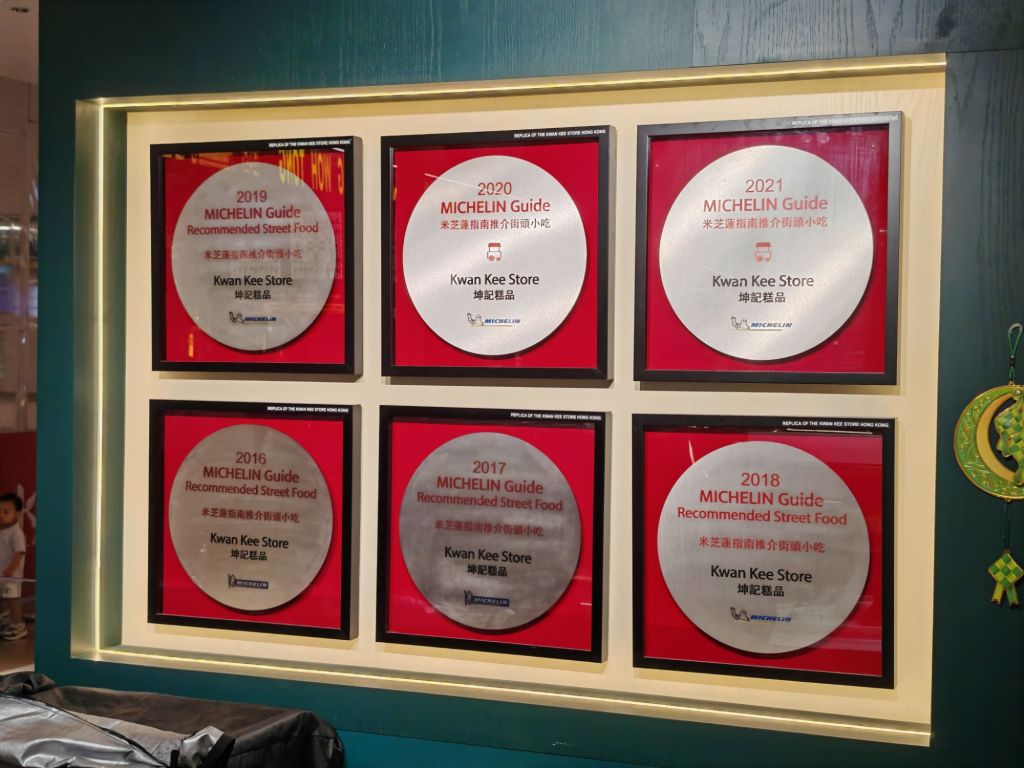
    Yummy

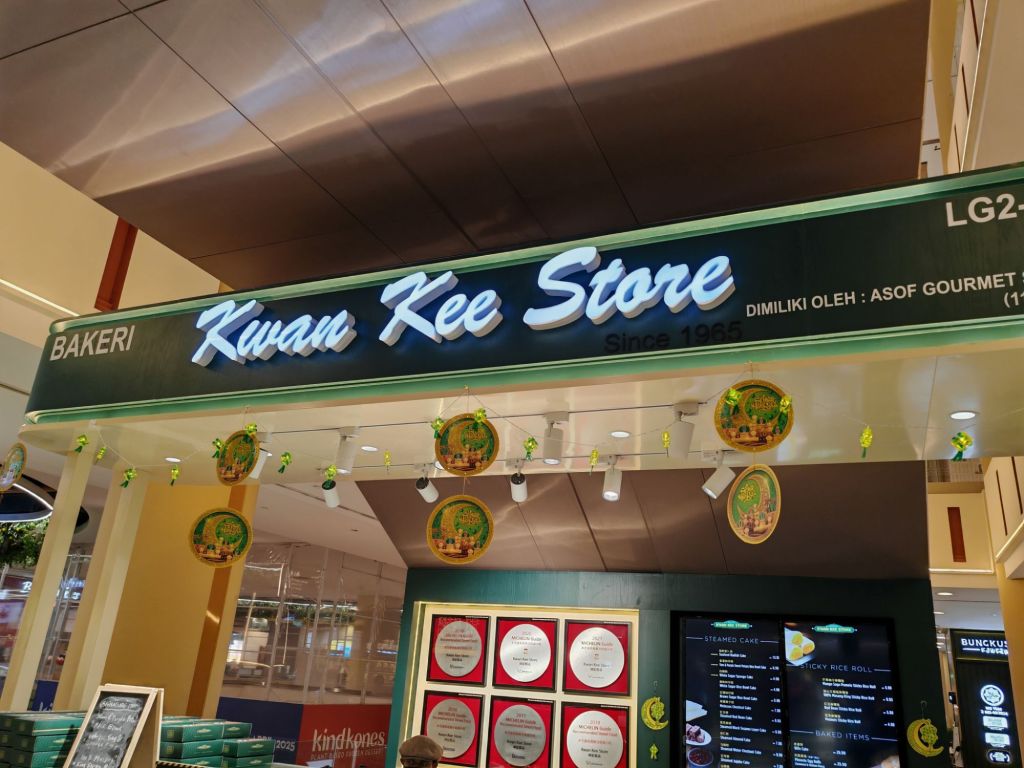
    Apparently this was the HK Michelin starred dessert place that shut down in HK and then opened here. Not sure if it is still by the same owners but I tried a few items. Tasty and pleasant service.

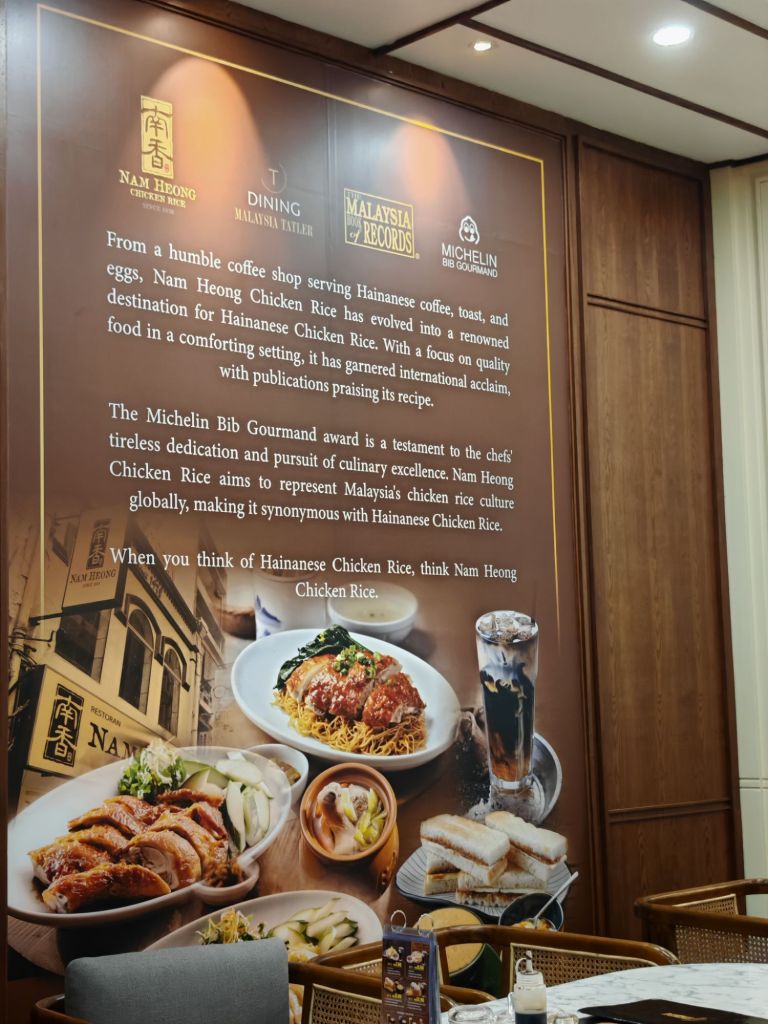
    This was a famous roasted chicken rice place. Good and cheap.

    Also good!
  • European Migration

    I was surprised to learn that in Sweden, which was once a quiet and successful European country, and of course home to ABBA, there are now bombs going off regularly planted by gangs. About 30 explosive devices went off in a month with the police having foiled an equal number.

    The gangs use explosives to extort from businesses, restaurants and hotels. Extortion aside, they are numerous other gangs which are engaged in the drugs trade.

    This was shocking. Imagine explosives going off in the middle of the night set off by armed gangs which are also peddling drugs and creating a huge social problem. How did Sweden get to this stage?

    Sweden was in the forefront of migration in the early 2000s. Now the number of foreign born living in Sweden stands at about 20% of the total population. Most of them are from the Middle East or Africa and mostly Muslims and poor. Integration of this group with the existing Swedish people has been a serious problem. My own view is that complete integration is an almost impossible task. They are racially and religiously different. How can integration be possible when there is such a vast difference between them as peoples culturally, racially and religiously.

    They were allowed in on compassionate grounds, which speaks volumes for the generosity of the native Swedish people. It also made economic sense then as the population growth rates in Sweden and in the rest of Europe were declining and they needed an infusion of younger people to do the work that the Swedish people either didn’t want to or couldn’t do.

    But the numbers blossomed uncontrollably and now, these new migrants form a large part of the gangs which are creating serious problems in the country. I can imagine how angry the native Swedish people must feel about this. Talk about biting the hands that have fed you.

    Meanwhile in the UK about US$ 5.4 billion is spent annually on asylum seekers. At a time when the country is struggling to keep its NHS afloat and maintain its basic infrastructure which is falling apart, this huge amount of money is spent on people who have come into the country, some illegally, for their housing and food. Many again are from the Middle East, Africa and Afghanistan. Integration again is a problem. It’s just that in the case of the UK, there is already a large Muslim population present.

    Resentment is rife in Europe and there is growing anger towards migration and to the people who have come in.

    But what can be done? Deport them? Their numbers are huge and a large proportion of them now have visas to stay in Europe. The birth rates are also higher for the migrants and so in about 30 years, they may well constitute the majority in Europe.

    In the US, Donald Trump won the election on this issue alone and is taking steps to deport illegal immigrants, with huge support from most Americans.

    Is Singapore immune to all this? We have brought in people from other countries. In our case most of them are either wealthier, well educated, younger and/or professionally qualified. So we end up having a different set of problems. We have migrants who can afford to have a better life, own properties or do better jobs than our local people in many cases. They are generally not the ones who cause any law and order problems. They are also net positive contributors to the economy and they come in legally and in numbers that do not affect the existing racial mix. How do you keep our locals happy in this kind of migration?

    Not having immigrants may not be an option for us. Our local population is declining, ageing and there is a need to maintain and grow our numbers to keep the economy going and support an ageing society.

    But how do we avoid the kind of backlash in Europe and in the US? Better integration? If so how? Even if efforts are made at this, how effective can this be? How do you ensure that migration does not antagonize your local people and avoid the current backlash in Europe and the US.

    Perhaps being wary of and opposing people different from us or outside our space is a matter of instinct and hardwired into our brains because of how our  predecessors were. We were a tribal people. We lived, ate and died as part of a tribe. Being part of a tribe was essential to our survival. Belonging to a tribe to the exclusion of others may  well always be a part of our DNA. Excluding others outside the tribe ensured that the limited resources would always be available to the tribe to continue it’s existence. Being territorial and unwilling to accept and share with outsiders may well be inborn in us. Can we overcome our ancient upbringing?
  • Mei Ling’s Birthday Dinner

    Last night was Mei Ling’s birthday dinner.

    We celebrated at Bold Thai at Capitol Piazza.

    The food was good although I didn’t eat much. I think I have been eating too much recently! The place was a bit noisy though.

    Again we have been doing this as a group for some time now and we know each other well since our North West Community Development Council days. It’s always enjoyable when we do catch up at these birthday dinners as we don’t meet much otherwise.

    We didn’t have much conversation except for that of the upcoming elections. The ambience and noise outside may have had something to do with that. Unfortunately I had to leave by 845 as I needed to meet up with a friend who needed some help.

  • Lunch with Ashwini Kumar

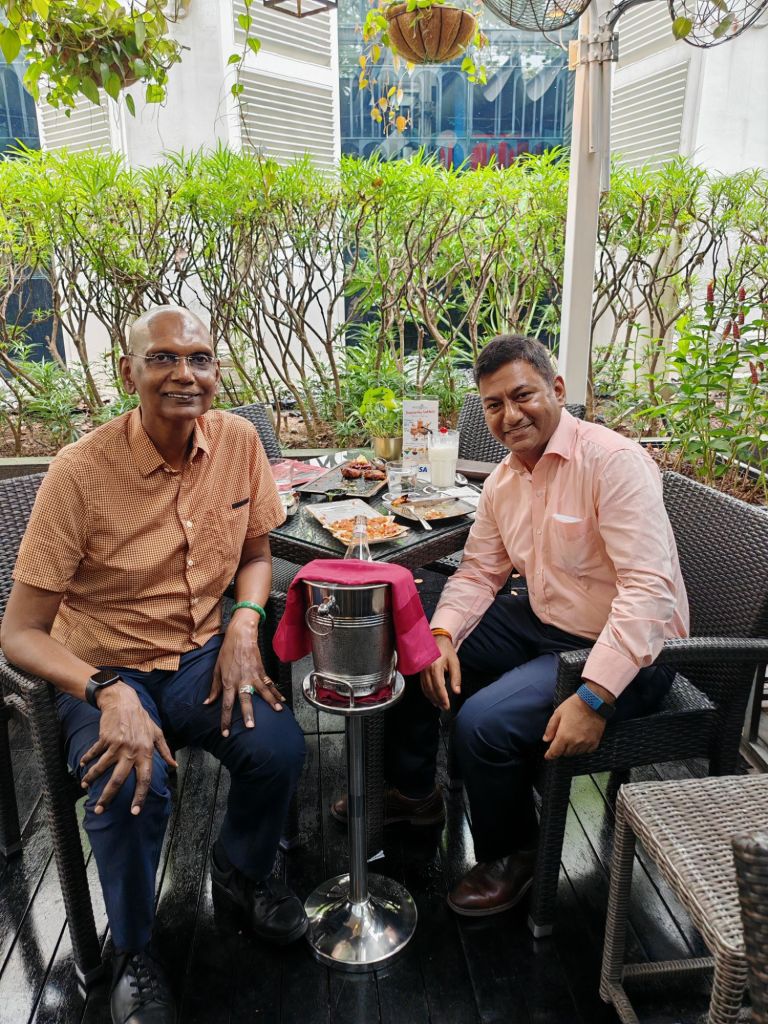
    Had a wonderful lunch today with Mr Ashwini Kumar, who is the Head of Chancery at the Indian High Commission. A last minute arrangement and am glad we both found the time to catch up. We met at Anglo Indian restaurant at Chijmes.

    We spoke about the US India trade tensions. India has a $100b trade deficit with the US. This is created primarily  by the export of pharma, steel, aluminum, engineering goods and electronics to the US. Unfortunately there are very few things for India to buy from the US. The way out may be for India to purchase oil. Strange. I always thought that the US was dependent on oil, especially from the Middle East. It was the squeezing of oil supply by the Arab nations in the 1970s which led to a huge recession in the US and Europe. Now they are in a position to export oil to other countries. Amazing.

    I wonder if the US was not such a consumer oriented society whether it would have such a large trade deficit with many countries especially China. Also the US stopped manufacturing products some time back because it was much cheaper to make them in low cost countries. Why would one now want to purchase more expensive products made in the US when you can purchase the same or better quality prices made elsewhere cheaper? What does it have to sell to the world apart from arms?  Even then not the latest technologically advanced ones? It does well in services but that is sold by US based companies like Apple, Microsoft, Google and Amazon. I wonder if that counts towards the deficit accounting?

    We talked about Singapore and India, its relations, connectivity, people and trade.

    We briefly spoke about the politics of India and Singapore.

    We also talked about the mainstream media reporting of events in India, in particular that of the recent world chess championship held here.

    Finally good to know the High Commission is organizing a biryani festival in May!! Looking forward to that!

  • Shang Dinner and Recalling Noris Ong

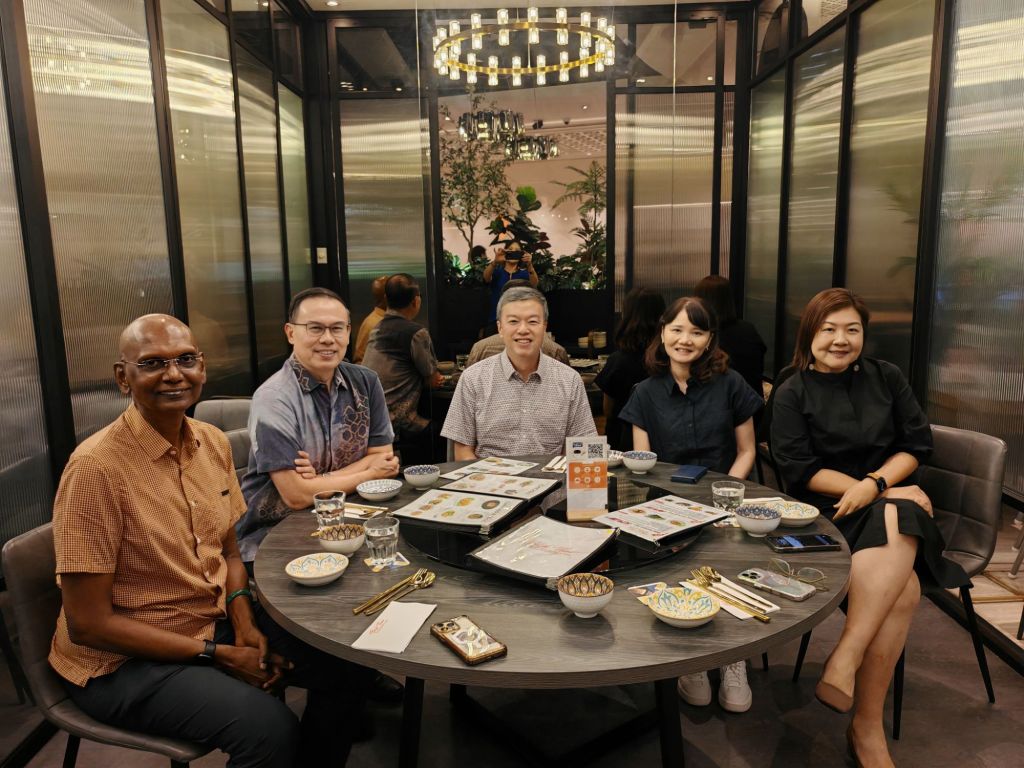
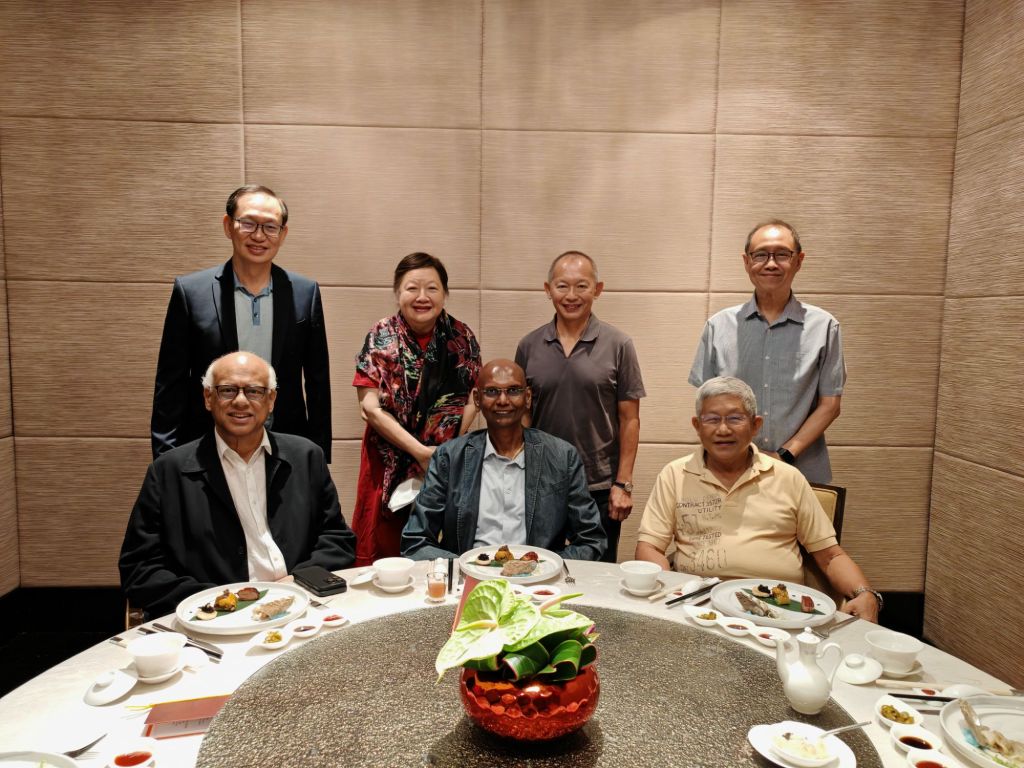
    Tonight, once again, was our quarterly dinner at Shang Palace. This dinner group started some 5 to 6 years back. We all had served in the ACS Old Boys Association Management Committee at different points in time but we got to know each other and became friends. Victor Chia was President from 1998 to 2000, Chelva Rajah was President from 2000 to 2004, Ang Peng Tiam was President from 2004 to 2008 and Benson Puah was President from 2008 to 2012.Jen Howe was the treasurer for some of the years. Mildred Tan was a committee member for a while and I served as the Secretary for all the 4 Presidents.

    We are not from the same cohort in school and I didn’t them until I worked with them in the Committee. Having worked together, we became friends over the years. I cannot now remember the impetus for making this a regular dinner session. Neither can I recall how the people in this group came to be identified or who picked them.

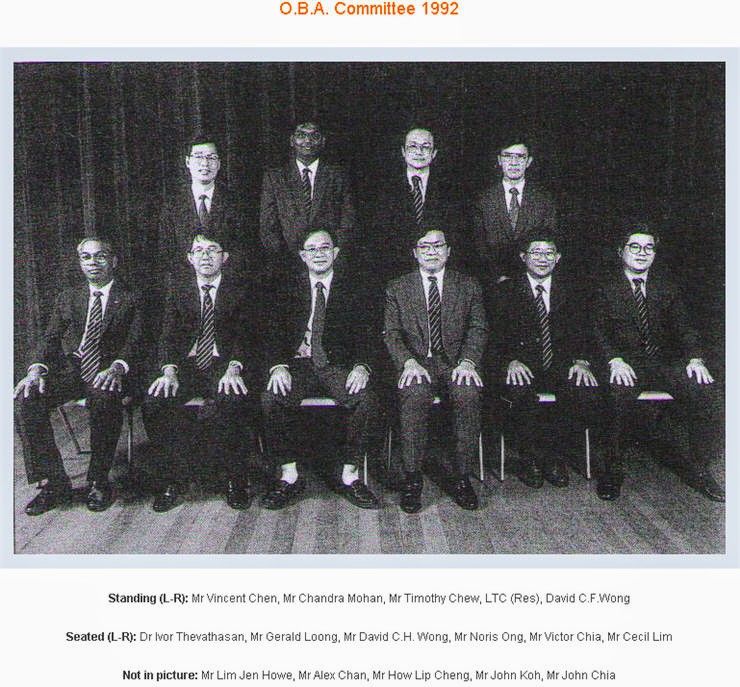
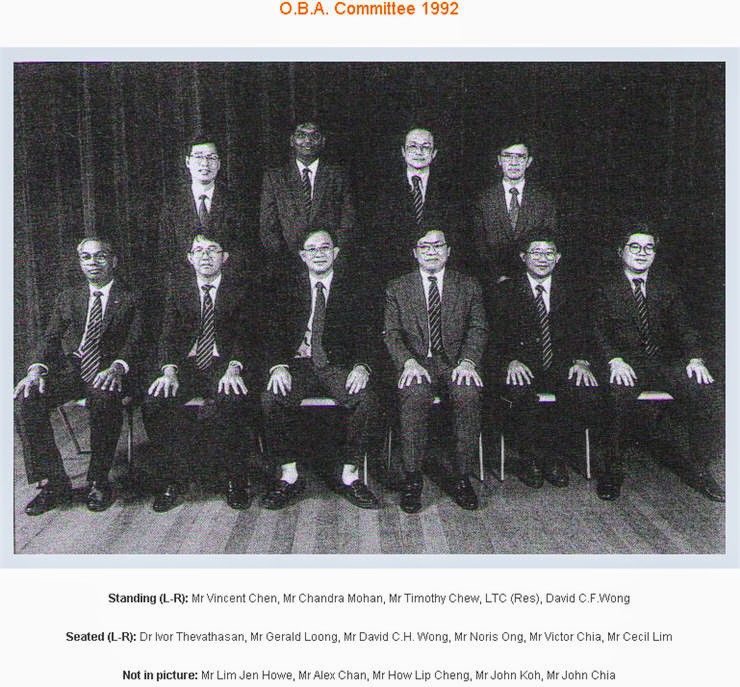
    I started serving in the Management Committee in 1992. I was asked to join by David Wong. Other than David, I didn’t know anyone else in the committee. All of them were much older. David was the Vice President. He held the fort for 2 years from 1992 to 1994 and then handed it to Noris Ong, his classmate.

    Noris Ong was the first President I served. A wonderful man and I have very fond memories of him. He had worked in London and was one of the youngest partners in Coopers and Lybrand, a prestigious accounting firm. He was talented. He could sing well with a lovely low voice and play the guitar. He was a Nominated MP for a while. He was generous and would take out the entire committee for dinner at the Tangling Club, where he was a committee member, after our meetings. He would pick me up from my home and we went to football games at the National Stadium and for supper. He would send me back although he wasn’t living near my place. We went on a yacht, owned by Coopers, a few times. I have been to his home many times, knew his wife Betty and his 2 young boys. We also went to karaoke a few times because he loved singing. Around 1995, the Barings episode happened and Coopers was unfortunately dragged into law suits here in the UK later. It eventually ceased to exist as a firm and was absorbed by Price Waterhouse. I think Noris, who was the head of tax at Coopers, didn’t fit into the Price Waterhouse culture and he retired soon after. We grew apart in the early 2000s. I didn’t see him or speak to him for sometime. We then started talking again around 2007 when he called me and wanted my advise on a community project he was involved in. In 2008 I met him and his wife at an ACS dinner. He was seated at a different table. At that dinner  Ang Peng Tiam, an oncologist, was describing symptoms of colon cancer. For some reason Noris became concerned and immediately went for a scope. He was diagnosed with a stage 3 or 4 colon cancer. He survived a year and passed away in August the following year in 2009 when he was just 60. Sad.

    We each take turns to host our current dinner. We talk about anything that has happened to us, Singapore or in the world. Something to look forward to. Let’s see how long we keep it going

    Back row Peng Tiam, Mildred, Benson and Jen Howe Front row Chelva. Myself and Victor

    Tonight’s Shang dinner was hosted by 4 of us who had said that Kamala Harris would win the US election. By now we know the results and we had to host the ones who picked Donald Trump.

    The 1992 Management Committee

    A picture of the very first Management Committee I served in the ACS OBA.

  • Inheritocracy-Economist

    I read the Economist every week. I have tried to make this a habit although trying to finish each issue before the next one comes out in a week’s time is not easy. But it’s well worth the effort. I learn a lot from the articles although I may not always agree with their point of view on everything.

    So this week’s leader was this article entitled Inheritocracy. This is about how a group of younger generation will inherit the wealth accumulated by their parents. The wealthier the country, the more the young there would inherit.

    The magazine argues that this will create problems. For one it will create a class of people who will accumulate and hoard their wealth to pass on to their children and not put it into productive economic uses. The bigger problem, and the one I think is serious, is that of an underclass of non-beneficiaries who will be left far behind especially in relation to owning properties. This is especially true when property prices are increasing at a rate far greater than that at which salaries are increasing Properties may become out of reach of a large majority without any inherited wealth. This group will become disaffected and have little or no incentive to work hard as the opportunities to have a comfortable life are becoming increasingly stunted.

    I tend to agree with this. I did not come from a wealthy family but my parents worked hard to give me a good education. Through a good education and hard work, I was able to reach a certain comfortable level in my life. There was an incentive to study and work hard because you knew that through that you can own a decent property, car, comfortable holidays etc. I think this was also the case for most of my friends and colleagues in that age group.

    I worry that the social mobility I had is disappearing in today’s society. True you may have a HBD roof over your head and good public transport so that there is less need to own a car but how much further can one beyond these when you are competing with inherited wealth.

    So yesterday, a good friend called me at 6 in the morning. He wants to purchase a $8 million apartment for his grandchild. His sons and daughters are already taken care of. Imagine being aged 2 and already owning a property which has a current market value of $8m. What will be the value of that property when his grandchild reaches 21. I understand many wealthy people have started purchasing private properties for their children.

    Then this morning, another friend was talking to me at the gym and she, after much homework and planning, is sending her son to a top boarding school in US. This is a 4 year program and it apparently puts one in a very good position to get into a good Ivy league University thereafter. It costs about US80k a year, excluding the travelling expenses. Of course when you get to a boarding school like this, you get a head start not just with your University education but also with the connections you make with all these otherwise connected families who can afford to send their children there. And this is not an isolated case. She tells me all her friends have either sent or planning to send their kids to such boarding schools.

    So I wonder and worry what will happen to good, clever and hardworking children when they finish their education here. How will they compete with this other group of people and will they become disillusioned if they see this huge disadvantage they are already at?